



Fatigue is not only the state of an individual. In an operating environment, when fatigue can affect performance and safety, management needs to be approached at system level. The Fatigue Risk Management System (FRMS) program helps trainees study the factors that cause fatigue and how to establish a fatigue risk management system suited to actual operations.
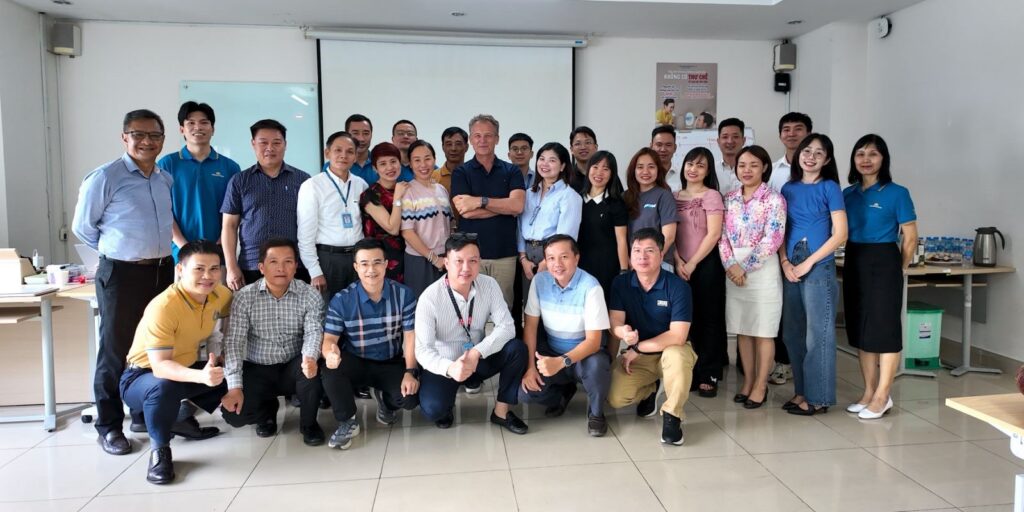
Delivered for: Vietnam Airlines
Program information
- Duration: 3 days
- Format: In person, classroom-based
- Target Audience: Safety Specialists and Safety Managers
- Instructor: Aviation safety expert
- Class size: 30 participants
Why does fatigue risk need to be managed at the system level?
Fatigue is one of the risks that is difficult to control in operations. What is notable is that fatigue relates not only to each individual's condition, but also sets requirements for how the organization identifies, manages, monitors, and assesses the risk.
In many organizations:
- Fatigue has not yet been fully recognized as a risk factor
- Lack of a systematic method for managing fatigue
- Control measures remain individual in nature and are not yet at the organizational level
- There is no process yet for monitoring and assessing fatigue risk.
This can affect performance and the level of safety directly. The challenge is therefore not only how each individual manages their own fatigue. At organizational level, a systematic approach is needed to identify and assess risk, apply fatigue-management principles, and form processes suited to actual operations.
Objectives of the FRMS Program
The program aims to help learners understand and apply the principles of fatigue management in operations, from awareness of the causes and effects of fatigue to management approaches at the individual and organizational levels.
After the Program, Learners Are Equipped to:
- Understand the factors that cause fatigue and affect performance
- Identify the Relationship Between Fatigue and Safety
- Apply fatigue management principles at the individual and organizational levels
- Understand the Structure and Operation of an FRMS.
Program content
The Program Focuses on Four Content Areas:
- The science of fatigue and sleep:Help participants gain the foundation needed to understand the factors that cause fatigue and their effects on performance.
- The relationship between fatigue and safety:Clarify the relationship between fatigue, work performance, and safety in the operating environment.
- Fatigue management at the individual and organizational levels:The program goes beyond an individual-level approach and extends to the organization's role in managing fatigue risk.
- FRMS process:Participants are introduced to the structure and operation of an FRMS, creating a foundation to support building a system suited to the organization.
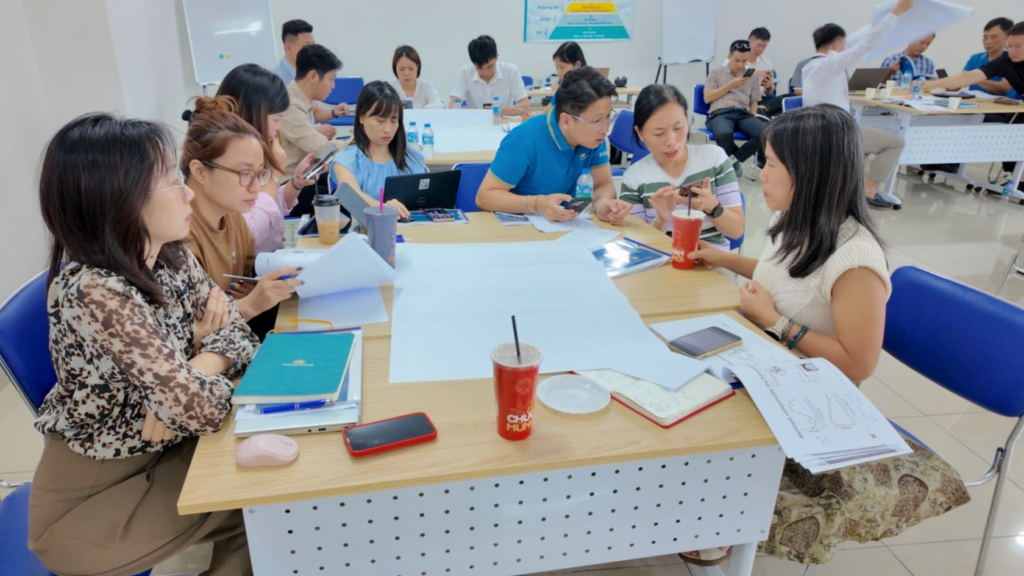
The four topics are connected by one continuous line of logic: understanding fatigue → recognizing its relationship with safety → approaching management at the individual and organizational levels → understanding the FRMS process.
Delivery approach
FRMS must be placed in a specific operational context. The course is therefore delivered along these lines:
- Theory combined with group exercises
- Build an FRMS Model Suited to the Organization.
This approach helps participants not only understand fatigue and FRMS at the knowledge level, but also gradually place them in a practical context so they see how to apply them in the organization.
Value gained after the program
After completing the program, participants can:
- Identify and assess fatigue-related risks
- Apply fatigue management principles
- Understand the structure and operation of the FRMS
- Support the Development of an FRMS Within the Organization.
The important value of the program lies in a shift of approach: from viewing fatigue mainly at the individual level to understanding that fatigue risk management needs to be implemented at the system level.
Which units is the program suitable for?
The program is suitable for:
- Organizations with High-Intensity Operations
- Teams involved in safety and operations
- Units That Need to Build or Refine an FRMS
Build an FRMS suited to each organization's operational characteristics
Fatigue management needs to be implemented at the system level, not only at the individual level. Each organization has its own operational characteristics, so the approach to managing fatigue risk also needs to be placed in the unit's actual context.
Hung Viet supports assessment of the current state of fatigue management, development of a suitable FRMS model, and adjustment to operational specifics, aiming for a systematic approach rather than relying only on management measures at the individual level.