



The Crew Performance Management (CPM) program provides the knowledge and skills for participants to understand, recognize, and manage the factors that affect crew performance in the operational environment.
Delivered for: Vietnam Airlines
Program information
Duration: 3 days
Format: In person, classroom-based
Audience: Pilots, cabin crew, and relevant managers
Instructor: Human factors expert
Class size: 30 participants
Why does crew performance need to be managed systematically?
Work performance is strongly influenced by human factors. In the operational environment, an individual's state, the ability to coordinate, and the way situations are handled can all affect performance.
In practice:
- Stress and fatigue affect performance
- Suboptimal communication and coordination
- Situation-handling skills still differ among individuals
- Psychological factors are not yet managed systematically.
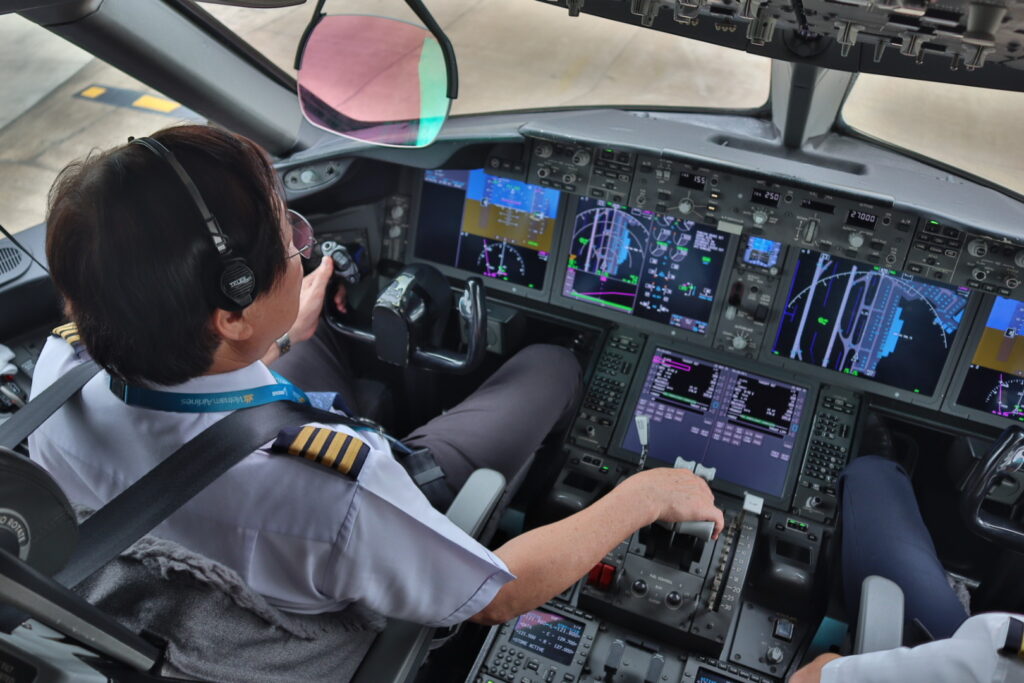
This can directly affect effectiveness and the level of safety. Understanding and managing the factors that influence performance is therefore an important foundation for helping crews work more effectively in the operational environment.
Program objectives
The program focuses on helping participants understand and manage the factors that affect crew performance, including:
- Understand the factors affecting work performance
- Recognize the role of human factors in safety
- Enhance coordination and teamwork
- Apply performance management principles in practice.
Program content
The Crew Performance Management (CPM) program focuses on 4 topics:
- Psychological and physical health
- Problem-solving skills
- Teamwork
- Fatigue and stress management
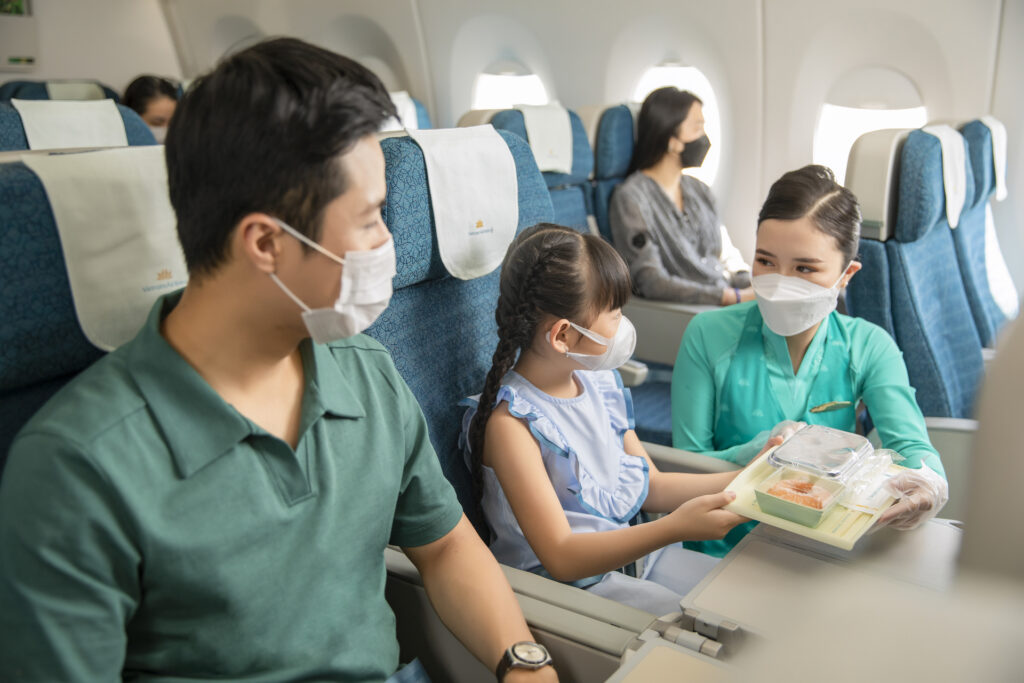
The topics focus on the factors that affect crew performance, from psychological and physical state to problem-solving ability, coordination within the team, and the management of fatigue and stress at work.
Delivery approach
The course is delivered by combining theory and practice, with situations drawn from the actual work environment. By connecting knowledge with situations in the work environment, the program helps participants understand and apply it directly in their work.
Value gained after the program
After completing the program, participants can:
- Clearly understand the factors affecting performance
- Improving teamwork capability
- Enhancing situation-handling skills
- Better manage personal state at work.
The program aims to help learners understand more clearly the relationship between personal condition, the ability to coordinate and handle situations, and work performance, so that they can better manage the factors that affect performance at work.
Which units is the program suitable for?
The program is suitable for:
- Pilots and cabin crew
- Managers involved in operations
- Organizations need to improve work performance and safety.
Tailor the program to operational specifics and the audience
Human performance needs to be managed systematically, and the approach needs to fit the operational specifics and the role of each target group.
Hung Viet designs the program to suit operational specifics, adjusts the content for each target group, and integrates the human element into the safety management system, so that training content aligns more closely with the actual working environment.