

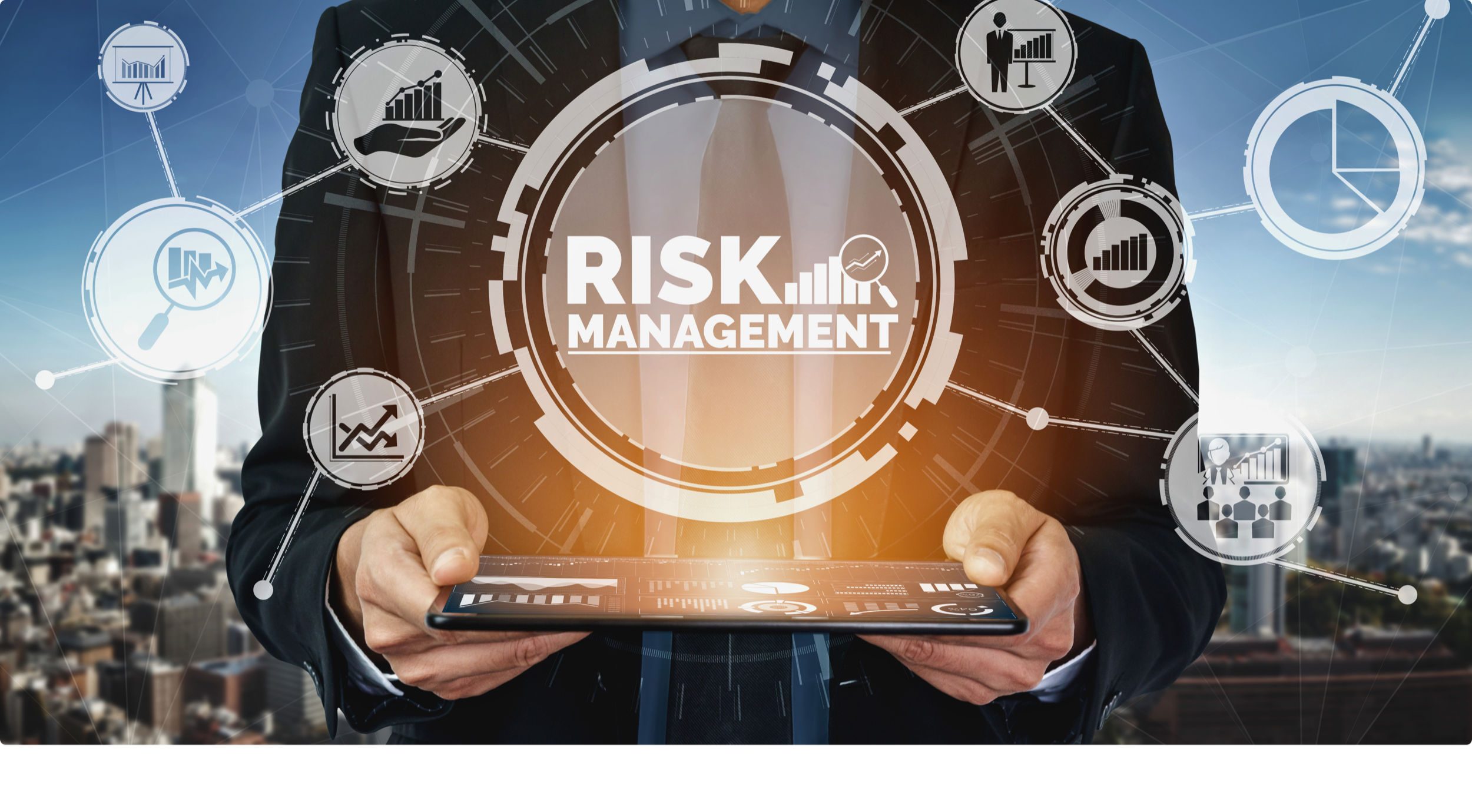
In an operating environment that is always changing, safety cannot rest only on what the organization has done well in the past. When operating conditions, competitive pressure, and the organization’s requirements keep changing, the ability to adapt becomes an important part of safety management capability.
Flexibility does not mean relaxing safety principles. The challenge at the management level lies in adapting to change while still maintaining the organization's objectives and results, and at the same time gradually improving the way safe work is carried out.
The Agile Safety Culture program for advancing operational safety (Agile Management for Advanced Aviation Safety) brings agile thinking (Agile) into safety management, helping safety teams and senior officers view volatility, adapt to change, and take up the tools and techniques needed to develop a more flexible way of managing.
Program information
- Duration: 2 days
- Format: In-person training at headquarters
- Audience: Senior safety experts; senior officers of the units
- Instructor: Shane Hastie
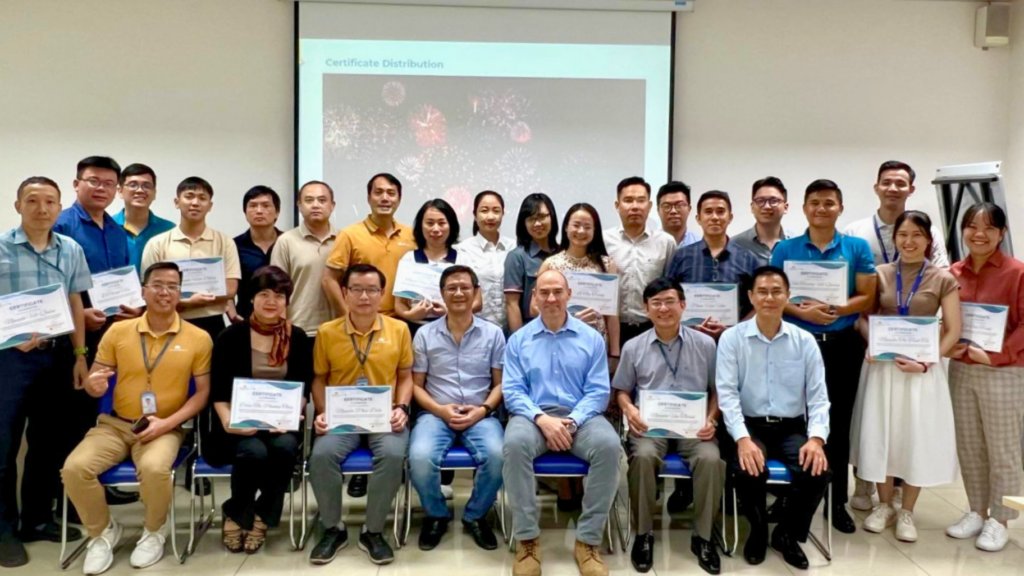
- Class size: 30 participants
- Delivered for: Vietnam Airlines
When the environment changes, the way safety is managed also needs the ability to adapt
Today's operating environment is highly volatile. Organizations, teams, and individuals need not only to react to change, but also to be able to adapt while still securing the organization's objectives and results.
For safety, this is a particular challenge. On the one hand, the system needs principles, procedures, and discipline strong enough to maintain safety. On the other hand, a complex and uncertain environment creates situations in which the way work is carried out also needs to be reviewed and improved continuously.
Therefore, the question is not “safety or flexibility?” but:How can the organization become more flexible while still promoting operational safety?.This is where Agile thinking opens a noteworthy approach to safety management.
Program objective: Bring agile thinking into safety management
The program helps participants learn how to apply agile thinking (Agile) to safety management in a complex environment, from identifying the forces that create volatility to how the organization, teams, and individuals adapt to change.
The focus does not stop at reacting faster. The program aims at adaptability and continuous innovation, thereby improving the way safety work is carried out.
Participants also have the opportunity to see the relationship among safety culture, adaptability, and the way the organization operates, creating a foundation for bringing flexible thinking into the unit's actual context.
Program content: Agile Management for Advanced Aviation Safety
The program is built around four main topics, forming a thread from understanding volatility and adapting, to applying tools and developing a management mindset.
Drivers of volatility
To adapt effectively, one must first understand how the environment is changing. Participants explore the drivers of volatility, an environment that is growing more complex, and competitive pressure that is building, and from there place the safety-management challenge in a broader context.
Adapt to change
Volatility affects not only the organization at the system level, but also teams and each individual. The program examines how the organization, teams, and individuals can adapt to change and make use of it, while still pursuing the organization's objectives and results.
Agile tools and techniques
Agile thinking needs to be turned into a way of working. Participants are introduced to the Agile tools and techniques needed to support adaptation and to create value for customers as well as the business.
Agile management thinking
At management level, Agile is not merely a set of tools. What matters more is forming a management mindset capable of adapting to a volatile environment. This is the foundation for an organization not only to react when change occurs, but also to look continually at how work is organized and carried out.
From compliance to a safety culture capable of operating on its own
A notable point of the program is that it places safety culture within the organization’s course of development. In the early stages, safe behavior may depend heavily on individual experience, on regulations, or on mechanisms of supervision. As safety culture develops, safety requirements are gradually integrated into the way work is carried out; people become more proactive in identifying hazards and risks and in taking part in improving operations.
At a higher level, safety is no longer only a matter for each individual. Teams begin to care about the safety of colleagues and those around them, and are willing to take part and speak up about unsafe behavior.
Seen from this perspective, safety culture is not a fixed state. It is formed, reinforced, maintained, and developed over time, tied directly to the way the organization operates.
That is also why adaptability matters: a mature safety culture needs not only to sustain what it already has, but also the ability to keep developing when the environment changes.
Delivery method: Bring real issues into the discussion
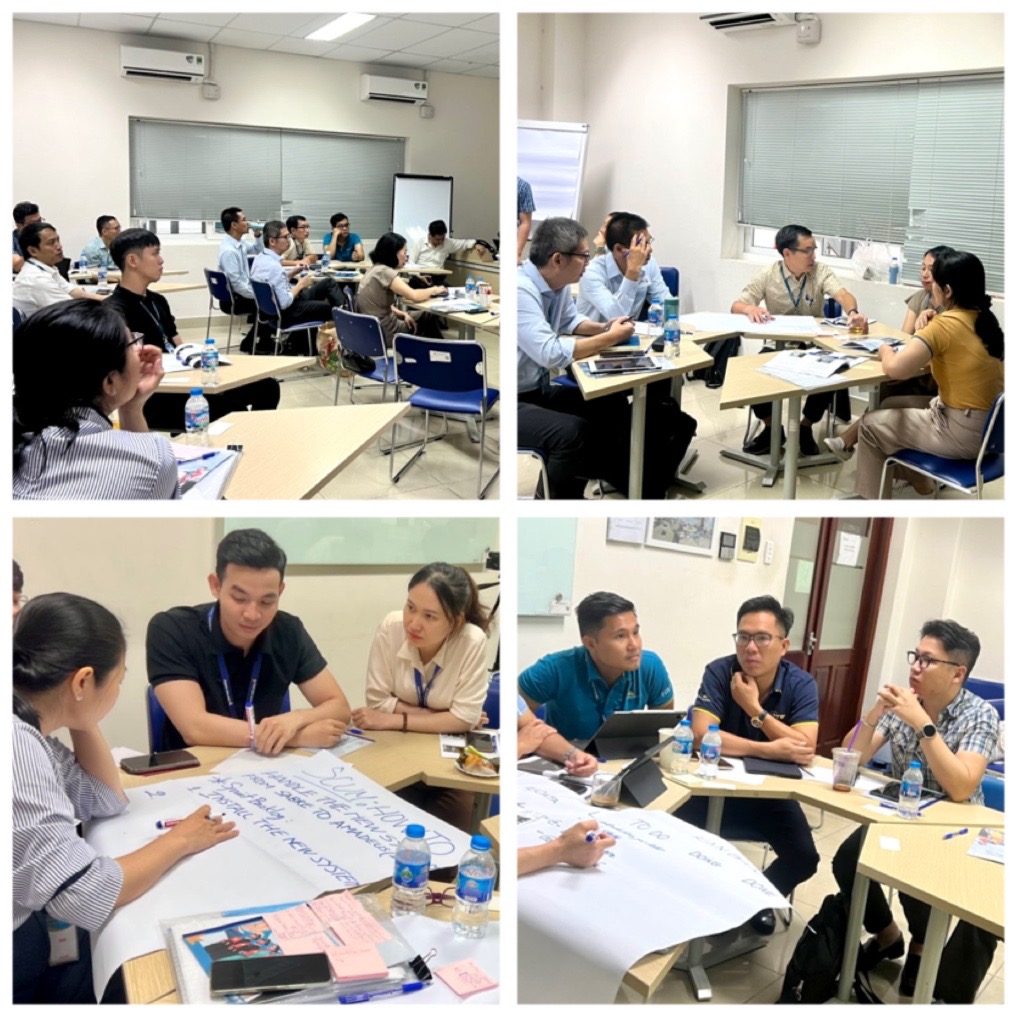
Aimed at safety staff and senior officers, the program does not stop at conveying knowledge. Exchanges, the sharing of practice, and group exercises give participants the opportunity to connect Agile and safety culture with the actual context of their own units.
In this way, the issues are not viewed entirely from a theoretical standpoint. They are placed in questions close to organizational reality: how the environment is changing, how current ways of working are operating, and where further improvement is possible.
Value gained after the program
For safety specialists and senior officers, the value of the program lies in broadening the approach to safety: from maintaining the system to also developing the ability to adapt and improve in a volatile environment.
After the Program, Participants Aim to:
- Enhance Adaptability and Continuous Innovation
- Improve the way safety work is carried out.
Agile thinking is therefore not separate from safety management; it is connected with how the organization, teams, and individuals adapt to change.
Which units is the program suitable for?
The program suits organizations that need to improve the adaptability of safety management in an increasingly complex and volatile environment.
Primary audiences include:
- Senior safety expert
- Senior officers of the units.
In particular, the program is of value to organizations that want to approach Agile from a safety management perspective, rather than treating it merely as a method for organizing work.
Safety culture needs not only to be maintained but also to be able to develop with the organization
A strong safety culture does not form from rules or oversight mechanisms alone. It is reinforced through the way people carry out their work, proactively identify risk, adapt to change, and take part together in improving how the organization operates.
In a complex environment that keeps changing, maintaining safety and developing the ability to adapt are not two opposing objectives. Agile thinking adds a way for the organization to view change, use suitable tools and techniques, and continue to improve how safety work is carried out. That is the foundation for a safety culture that does not stand still in the face of volatility, but can develop together with the organization.