



Safety culture in a crisis is tested not only by external shocks, but also by how the organization responds to pressure, changes priorities, and maintains safe behavior under difficult conditions.
The program on Safety Culture in the context of a global crisis focuses on building and maintaining a safety culture in a volatile, high-pressure environment, helping the management team understand the factors that can influence behavior and the direction for developing a safety culture suited to the organization.
Delivered for: Vietnam Airlines
Instructor: Dr. Selina Fothergill
Program information
- Duration: 2 days
- Format: In person, classroom-based
- Target audience: Safety managers
- Class size: 30 participants
Why is safety culture easily affected during a crisis?
A safety system can be built with clear procedures, policies, and management mechanisms. When the organization enters a period of volatility, however, human behavior and practical priorities can be significantly affected.
In a volatile environment:
- Operational pressure changes behavior
- Business Priorities May Override Safety
- Personnel face stress and constant change
- Safety culture is difficult to maintain consistently
This can weaken the effectiveness of the safety system. It is also the challenge of safety culture in a crisis: principles that have been established need to continue to be maintained even when the organization must operate under pressure and face continuous change.
Program objectives
Understand and build safety culture in a volatile context. The program helps participants:
- Understand the concept and role of safety culture
- Understand the Challenges in a Crisis Context
- Identify factors that influence behavior
- Establish a Direction for Safety Culture Development
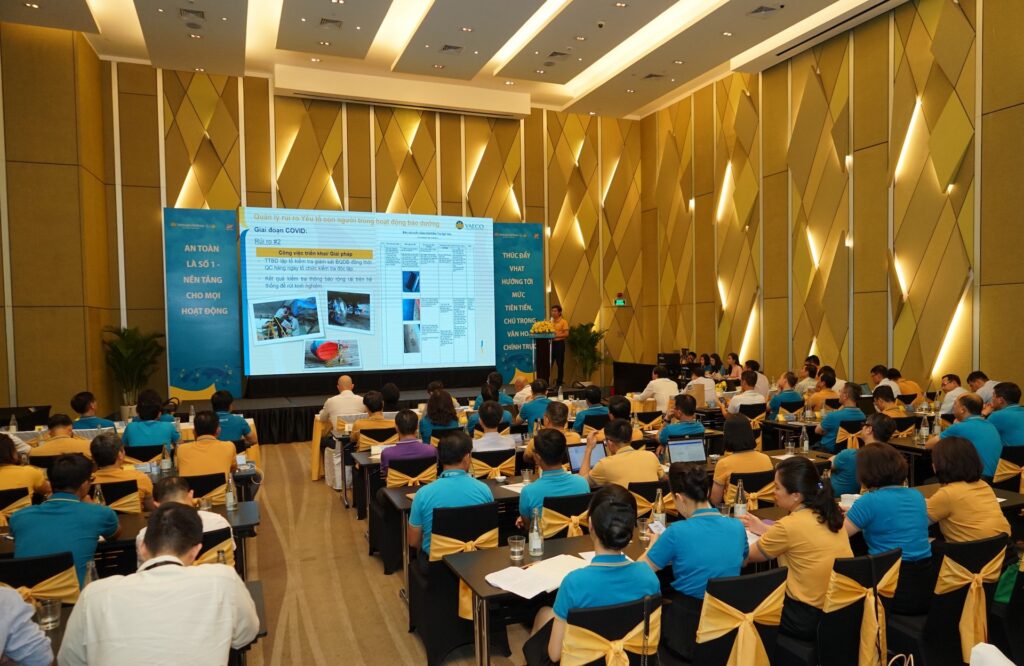
The focus of the program does not stop at understanding what safety culture is. It also helps learners recognize the factors that can affect culture and behavior when the organizational environment changes.
Safety Culture program content in the context of a global crisis
The Program Focuses on 5 Content Areas:
Definition of safety culture:Participants are introduced to the concept of safety culture, creating a foundation for understanding the role of culture in the organization and the safety system.
Common challenges:Analyze the challenges an organization may face in sustaining a safety culture in a volatile, high-pressure environment.
Power and influence in the organization:The program addresses power and influence in the organization - an important factor when considering what may affect behavior and safety culture.
Examples from Europe:Examples from Europe were built into the program to help participants approach the issue from different real-world contexts.
Essential Components of Safety Culture:Participants learn the essential components of safety culture, thereby forming a basis for considering a development direction suited to the organization.
Through these topics, safety culture in a crisis is viewed not as a standalone concept, but in relation to people, behavior, power, pressure, and organizational context.
Delivery approach
A topic tied directly to culture and behavior will struggle to create value if learners only receive knowledge in one direction. The course is therefore delivered by combining theory with interactive practice and discussion of real case studies. This approach helps trainees connect concepts of safety culture with real situations and challenges, and thereby understand how to apply them in the organization.
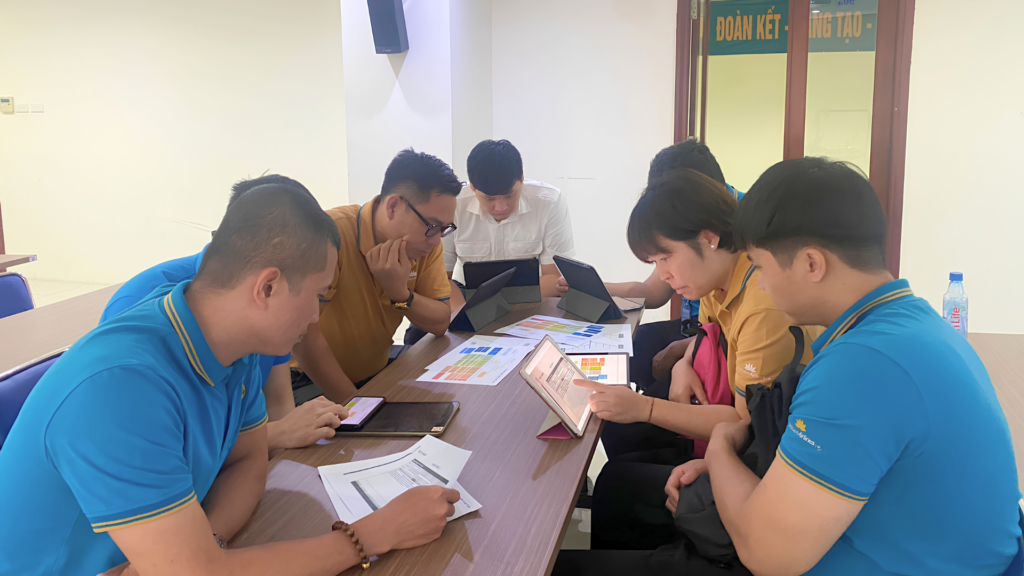
Value gained after the program
An important value of the program lies in helping the management team view safety culture as a factor that needs to be proactively built and sustained, especially when the organization must face pressure and change. After the program, learners can:
- Understand the foundations of safety culture
- Identify the Influencing Factors in a Crisis
- Develop an appropriate action plan
- Maintain safety culture under volatile conditions
Which units is the program suitable for?
The program is suitable for:
- Organizations Undergoing Change or Crisis
- Management and safety team
- Businesses need to maintain a stable safety culture.
These are environments in which safety culture in a crisis needs particular attention, because volatility can affect behavior, ways of coordinating, and priorities within the organization.
Safety culture does not sustain itself when the organization changes
When operating conditions are stable, safety values and behaviors may already have become a familiar part of the organization. In a crisis, when operational pressure rises, personnel must adapt to change, and priorities may shift, maintaining a safety culture becomes more difficult.
Building a safety culture should therefore not be viewed as an activity carried out only at one point in time. The organization needs to understand its current state, identify the factors affecting the culture, and set a direction for development that suits its own context.