


Continuous learning and a continuous learning culture (Continuous learning culture) are regarded as one of the firm foundations of 1 strong enterprise that dares to innovate and dares to take on challenges.
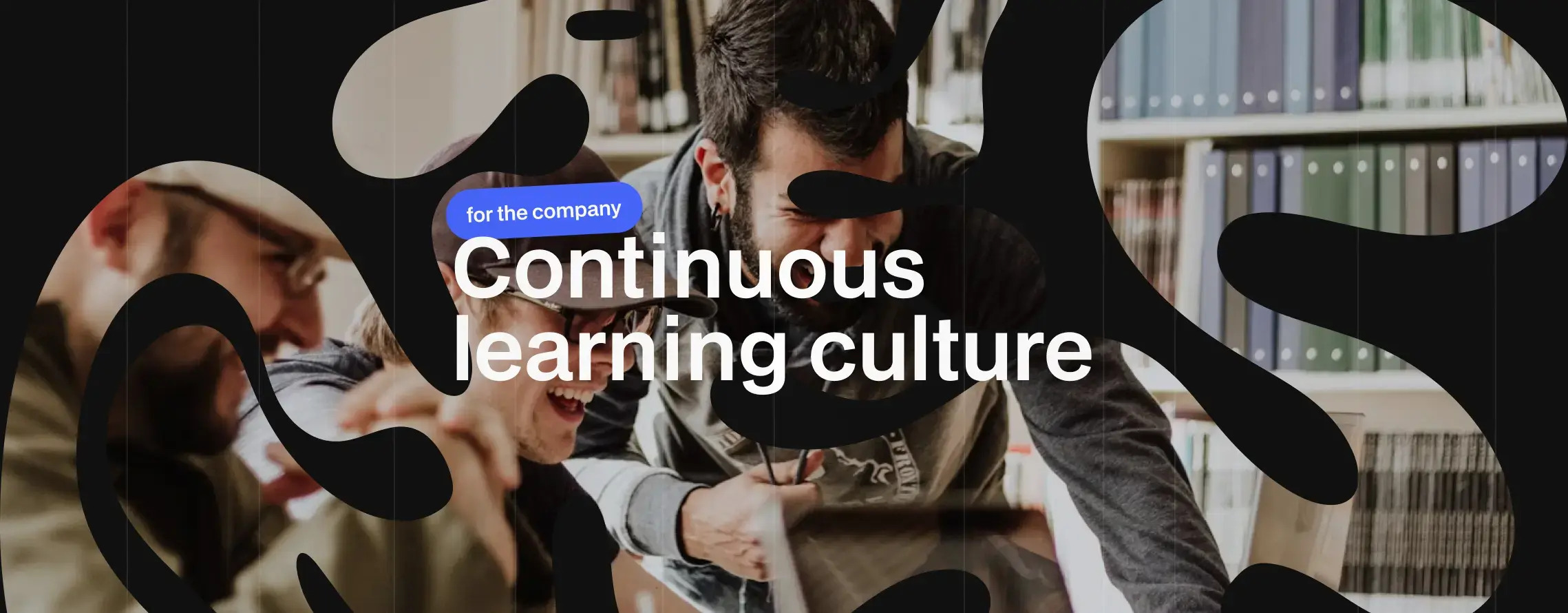
What is a continuous learning culture (Continuous learning culture)?
A simple definition of a continuous learning culture is the set of practical values that create an environment able to encourage people to continually raise their knowledge and capability.
Learning does not stop when we graduate or obtain a good position or job. Learning is lifelong self-improvement: continually learning new things and adapting to the changes under way.
That is the difference between an ordinary person and the 1% most successful people on earth.
When all personnel learn, the entire enterprise will increase performance and innovate effectively.
A company with a continuous learning culture invests in learning and provides opportunities for employee development, in order to improve overall performance and raise skills.
Numbers that speak
According to many measurements by experts, the results of building a long-term continuous learning culture (Continuous learning culture) in 1 organization all bring substantial benefits:
40%
employees with few learning opportunities will leave the company within the first year.
94%
employees will be more committed to the company if leadership invests in employees' career and skills development.
86%
employees are particularly concerned about whether the employer creates learning and development opportunities for them in the organization. Especially generations fromGen Y(Millennials) andGen Z.
46%
of employees believe that a lack of opportunities to learn and develop is why they feel discouraged at work and lose the motivation to contribute.
(Source:Edume, Upskillist, LinkedIn)
The above results were compiled from 3 million employee surveys. The figures indicate that"learning and development opportunities"is the second most important factor in determining employees' long-term commitment to the company.
A continuous learning culture helps raise expertise and skills, giving each individual a greater opportunity to prove themselves and have a voice in the organization, and it is also the highest rung in"Maslow's hierarchy of needs".
The need for self-expression (self - actualization), the wish to create, to demonstrate ability, to express oneself, to perform, and to be recognized as successful, gained from knowledge that has been learned and can be applied.
Deloitte (a well-known audit firm) also published a study showing that organizations and companies with a positive learning culture all reap success:
- Have a higher innovation capability of up to92%.
- Have a workforce working more effectively by up to37%.
Benefits of a continuous learning culture
As noted above, a culture of continuous learning brings immense, immeasurable benefits and is the foundation for sustainable development.
- Helps fill skill gaps and increase adaptability in a changing business environment. Meets new skills that arise and are required.
- Increase each employee's performance and, in turn, increase profit and revenue for the organization and the company.
- Create an enhanced, more engaging overall work environment, thereby promoting creativity.
- Strengthen employees' engagement with the organization and the business, retain talent, and avoid"brain drain", joined a competitor.

Building a continuous learning culture in a company or organization is essential
Enterprises are facing 02 urgent issues:
First, the pace of technological progress is growing exponentially. Second, the expectations of the younger generation are rising in step.
The pace of technological change is far more dizzying and breakneck than before, producing innovation, transformation, and disruption that can push you out of the market, or bring down an economy in a recessionary domino effect.
Enterprises therefore need to innovate with agility in order to adapt and keep pace with the speed of change. The best solution is a culture of continuous learning and rapid adaptation.
Within this, businesses encourage employees to learn continuously, upgrade their skills continuously, and reskill continuously, to accept risk and challenge the status quo while still ensuring stability and predictability for the future.
Leaders focus on a shared vision and strategy, while enabling members of the organization to realize their full potential.
What stands out is the growing demand for younger generations to meet occupational requirements. Most Gen Z respondents believe that learning is the key to success in young people's careers.
As a result, companies with a culture of continuous learning have an advantage in retaining top talent.
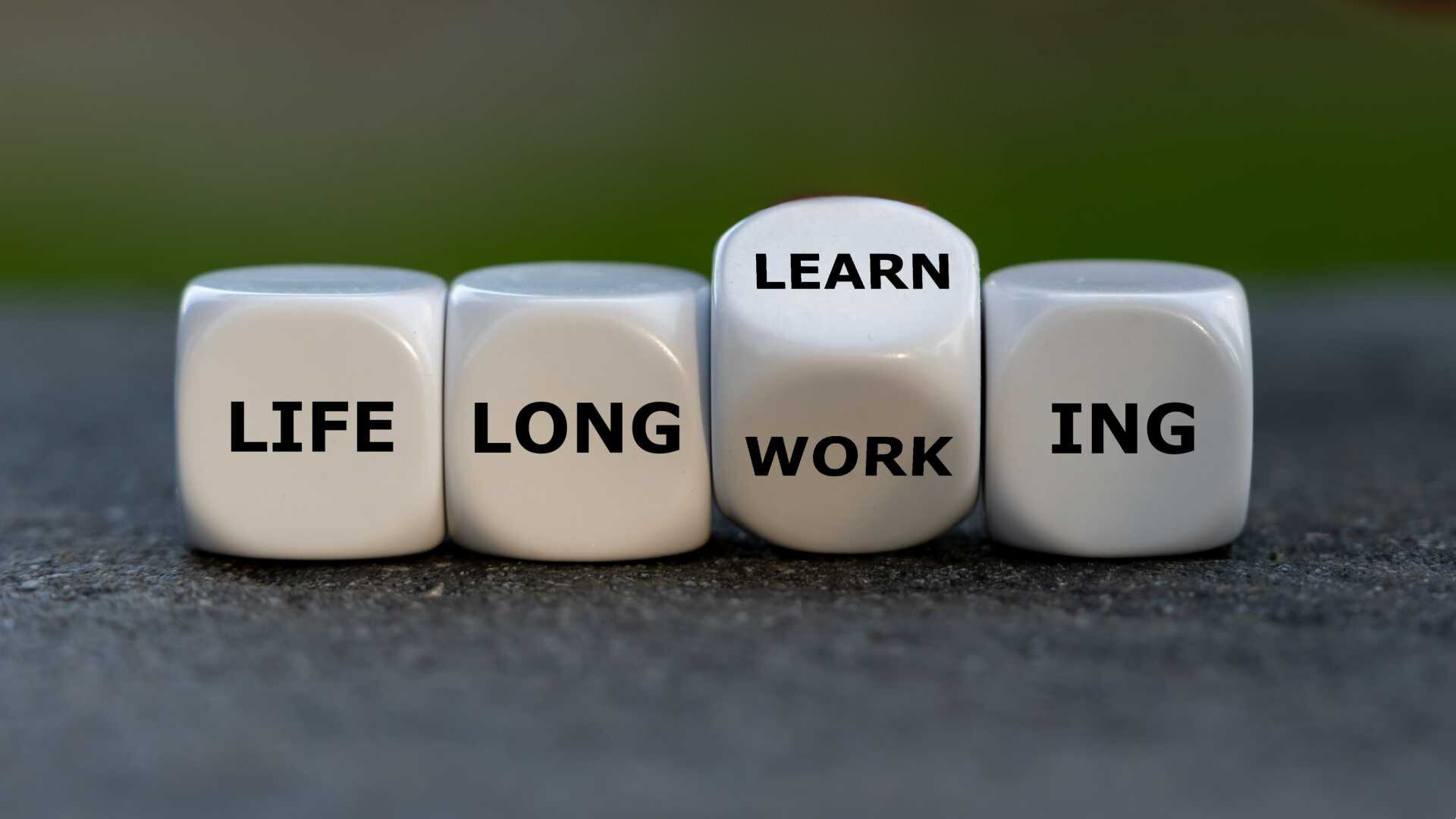
What should be done to build a continuous learning culture in a company or organization?
In a culture of continuous learning, employees are empowered to take responsibility for their own career development path.
Given the opportunity, they proactively seek new knowledge and skills in order to meet the demands of their position and role and, beyond that, of potential advancement roles.
Conversely, the organization or company will provide the resources and the support needed to create favorable conditions. Investing in human resource development is also an investment in the organization's own future."Plant a tree, and one day you will enjoy its sweet fruit".
Prioritizing learning and development needs to start with the leadership levels. For it to truly become the culture of an entire organization, the executive board must take part seriously and actively.
Specific learning objectives need to be set if learning in the organization is not to become vague, time-consuming, and ineffective in application.
Team members are the best and most effective resource and learning community. Managers and the leadership need to understand each person's strengths and weaknesses in order to nurture, encourage, and motivate everyone to be ready to share.
Learning should not be an extra task added to employees’ normal work for the purpose of KPI assessment. That only makes them feel a further burden and further pressure. Learning needs its own time plan, running in parallel with the organization’s other activities, and it must not affect the completion of the objectives and deadlines of other business purposes.
Managers should not go around asking each employee for ideas and pressing them to think up something new. They should skillfully create opportunities for people to create, experiment, fail, and learn from failure. Micromanagement is the enemy of creativity. A team can have good ideas only if people are free to experience new things without being scrutinized by the strict, severe approval processes of their superiors.
This is a skill that leaders at every level, managers, and heads of department should be trained to develop in order to create a workplace where people are ready to share and are not afraid of mistakes.
Debrief and share what went well and what needs improvement after a business trip or a customer meeting. Offer feedback or questions on a project, or on an individual’s idea. Share the obstacles and the gaps in knowledge or skill that are preventing personnel from completing their work, or something as simple as a daily news-reading activity.