


Recently, aviation incidents occurring continuously and at high frequency have sounded a warning about aviation safety risk, together with many related safety issues in this highly sensitive sector of transport.

High-Frequency Aviation Safety Incidents
According to the aviation safety assurance report ofCivil Aviation Authority, in the first 6 months of 2023 there were 41 occurrences, including 1 aviation accident. In the same period of 2022, the figure was more than 18% (50 occurrences). On 24/06/2023 an air traffic occurrence involving a breach of minimum separation during takeoff took place at Noi Bai Airport. Accordingly,2 Aircraft Nearly Collided on Runway 11R(AIQ645 of Thai Air Asia and VJC943 of VietJet Air) due to an air traffic control error.
Worldwide, the first 6 months of 2024 saw many aviation disasters. The most prominent were:Runway Collision at Haneda Airport, Japan (02/01/2024);Varzaqan helicopter accidenton 19/05 causedPresident of Iranfatalities; andThe ATR 72-500 crash of Voepass Linhas Aéreas(Brazil, 09/08/2024).
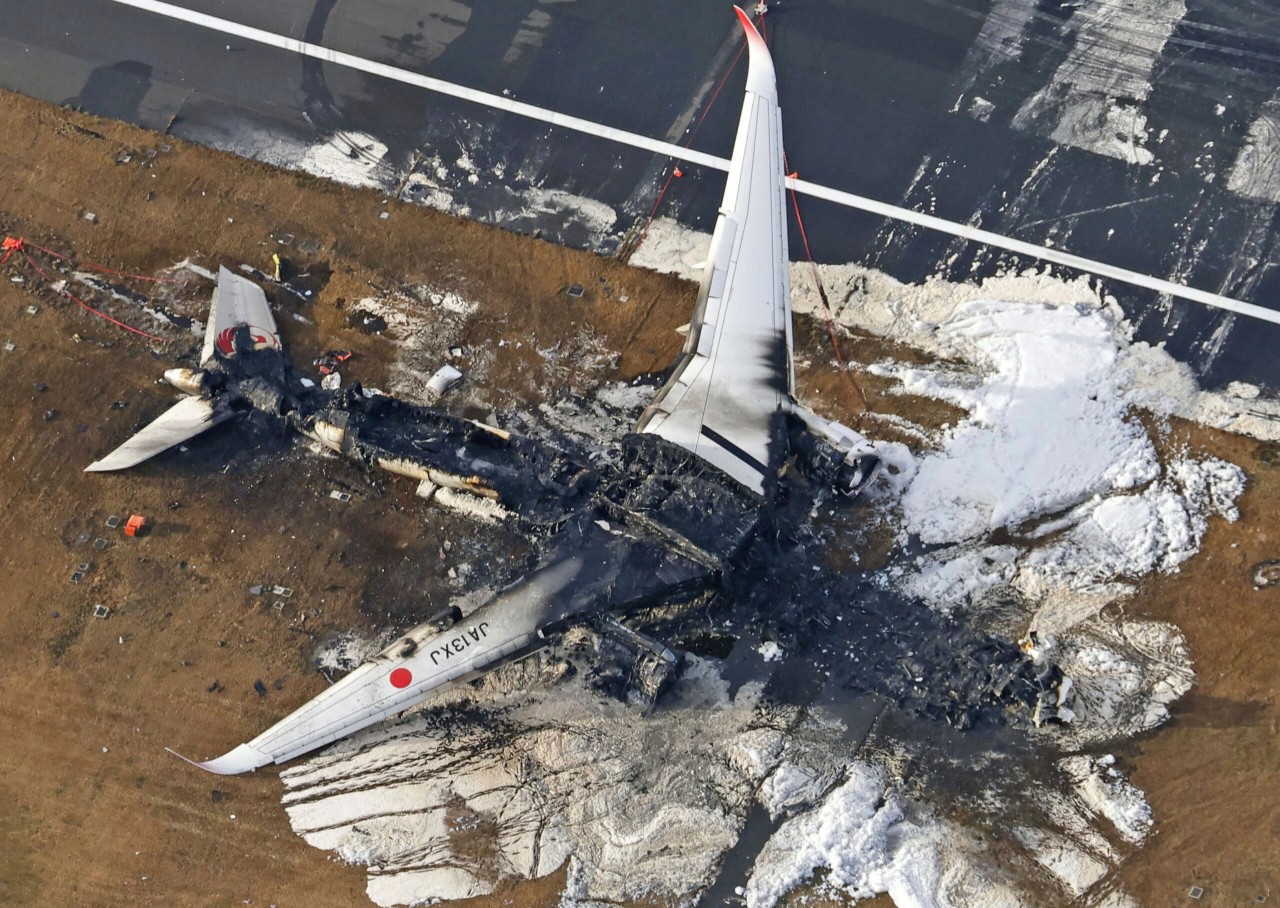
Although documents requiring compliance with airport operating regulations continue to be issued, errors in speed control, runway vacation time, runway crossing time, and air traffic control rules still cannot be avoided.
More than anyone, aviation regulatory authorities judge that an aircraft exceeding the speed limit, and failing to comply with speed control, carries a latent risk to safety and the potential for collision, damage, or fire and explosion, which can cause major harm to people and property.
Airlines and airport operations management units therefore need to comply strictly with regulations on operational flow management, traffic, and flight safety.
The necessity & importance of aviation safety risk management assessment
Threats to civil aviation are constant and have never diminished. Those threats are managed most effectively by identifying, understanding, and resolving or mitigating the potential risks to civil aviation from the carriage by air of passengers and cargo, baggage, and mail, and from other activities in public areas within airports and aerodromes…
Preventive measures must match the level of threat and risk. Determining the level of threat, hazard, and risk is the basis for allocating and using resources efficiently, economically, and in line with actual capability and conditions.
Managing aviation safety risk well is an important condition for maintaining an effective ability to prevent hazards, in line with international standards and practice. Failure to recognize threats wastes resources and can even create gaps and weak points that undermine aviation operations.
The most dangerous risk comes from people
In the aviation safety ecosystem, the human element is the most important link, and also the weakest.
Returning to the event example2 Aircraft Nearly Collided on Runway 11R, Noi Bai on 24/06/2023, the incident was mainly due to pilot error in failing to follow air traffic control instructions correctly.
- In 2014, an aircraft also taxied onto the wrong taxiway at Phu Quoc Airport, because the crew was not fully familiar with the taxiway diagram and the taxiway operating procedures at this airport, and did not carry out the air traffic control instruction even though they had acknowledged it.
- In 2017, 1 civil Airbus A321 and 1 military aircraft had an infringement of minimum separation at Cam Ranh Airport (Khanh Hoa). Once again, the error was attributed to the civil and military air traffic service units, whose air traffic coordination was not close enough.
- At Cat Bi Airport (Hai Phong), a particularly serious incident once occurred when an air traffic controller ... fell asleep, leaving the captain unable to establish contact and forced to circle for 30 minutes without daring to land.

In aviation, safety and the building of a Safety Culture are always the top priority. It is not only when an incident occurs that the authorities turn to questions of safety and flight risk.
Aviation safety comes from the sum of every link: the people who control, operate, and handle ground vehicles and equipment, air traffic controllers, taxiways, runways, technical maintenance, and more. No link may ever be neglected. Losing concentration for 1 second can lead to consequences beyond measure.
The priority measure for reducing aviation safety risk is therefore for the parties concerned to strengthen inspection and supervision of the agencies and units that provide services at the airport, and of air traffic service providers. Regulations and operating procedures must be followed seriously so that flight operations are kept absolutely safe. Foreign objects appearing in the airside area must be stopped in time, and aircraft stands, taxiways, aprons, and runways must be kept clean, ...
In Vietnam,Vietnam Air Traffic Management Corporation (VATM)are required to carry out professional processes and regulations correctly, in line with operational standards, ensuring safety in the provision of air navigation services.
Finally, the accountability of the organizations and individuals involved must be addressed seriously if a safety incident occurs, the incident debriefed with air traffic controllers so that lessons are drawn, together with a consolidated report.
Evaluate solutions to strengthen safety
Assessing the ability to control risk may be an overlooked element in the safety management systems of airlines today.
In aviation operations, identifying and controlling aviation safety risks is a particularly critical activity. It concerns the lives and property of customers, and the reputation and brand of the service provider.
Issues of budget and revenue, however, can leave airlines caught in a financial balancing act. Between implementing measures that strengthen safety and running the business to increase the airline’s income, the right solution has to serve every airline, both traditional and low-cost.
A systematic method for assessing the effectiveness of safety-enhancement solutions will help airlines select the most feasible solution, suited to the current situation.
John Edmonds- An aviation safety expert with more than 20 years of international experience, currently working atSouthwest Airlines(the largest low-cost airline in the United States), in the article"The Missing Link in Aviation Safety"contains the passage:
"You have identified an important safety risk in the airline’s operations. Your team has produced a list of potential control measures, from simple changes to technology solutions worth millions of dollars. The question is: "Which measures will you actually implement?"."
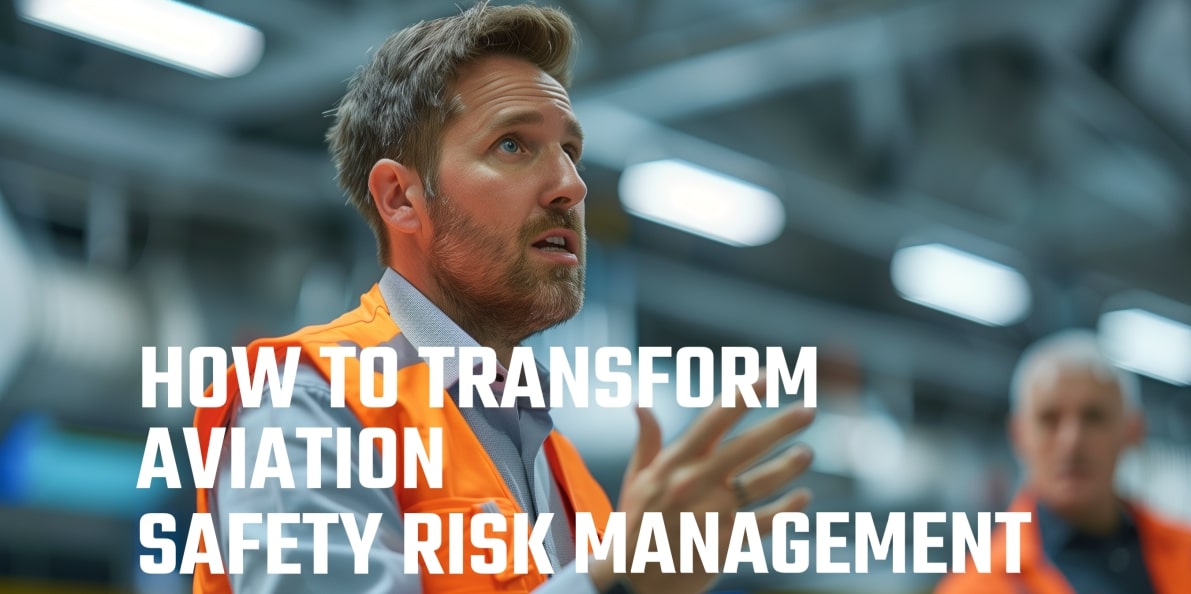
This is a million-dollar question. You will find yourself caught between the pressure to strengthen safety and a tight spending budget.
Therefore, 1 system is needed to assess and select the most balanced measures, ensuring your company invests in the most effective and practical solutions.
"Control feasibility assessment (control feasibility assessment)"will be a breakthrough approach to safety risk management. It significantly improves the decision-making process and optimizes the airline's investments in safety.
When analyzing risk and proposing measures, experts use sophisticated algorithmic matrices and thorough investigations grounded in many years of experience. When it comes to the decision to implement, however, it is intuition, historical precedent, or the executive board that settles the option.
This is a gap that the Safety Risk Management (SRM) process still has. It helps identify hazards and assess risk, but it offers no approach for evaluating how practical and how effective the very solutions we propose actually are.
1. Assess the Feasibility of the Measures
The most effective solution is not always the most feasible. Assessing safety-enhancement solutions requires 3 important factors to consider:
- Effectiveness:How effective this control measure is in reducing aviation safety risk.
- Development:Is implementation difficult?
- Cost:How much financial investment is enough.
For each factor above, policymakers will assign a score from1to5for each level of assessment. The total score produced for each solution will then show its feasibility, allow comparison with the other options, and inform which measure to implement.
2. Solution evaluation scale
| Effectiveness factors: |
| 5- Eliminate the hazard |
| 4- Replace with a Less Hazardous Solution |
| 3- Engineering controls |
| 2- Administrative controls |
| 1- Personal protective equipment |
| Development factors: |
| 5- No development time required |
| 4- Minimal development time |
| 3- Reasonable development time |
| 2- Significant development time |
| 1- Still at the concept stage |
| Cost factor:(this factor may be classified by degree of flexibility depending on the size of the enterprise) |
| 5 - $0-$500 |
| 4 - $500-$1,000 |
| 3 - $1.000-$5.000 |
| 2 - $5.000 - $10.000 |
| 1- Over $10,000 |
Example:Apply this to risk"Preventing runway incursions". Suppose we are considering two control measures:
| Measure #1:Implement the Runway Status Light System (Runway Status Light System - RWSL): | Measure #2:Advanced training for ground staff |
|
|
| Total score:6 | Total score:8 |
While the RWSL system is clearly the more powerful solution, the feasibility assessment shows that a training program may be more practical if financial resources are limited.
3. Benefits That Extend Beyond Decision-Making
Implementing a feasibility assessment process not only helps you make better decisions, but also brings a number of additional benefits:
- A sound basis for safety investment: Provides a data basis for the options, making it easier for you to gain management agreement.
- Optimal resource allocation: Ensures you are investing in control measures that offer the best balance between effectiveness and practicality.
- Improved communication: Provides a common language for discussing and comparing different control options across departments.
- Continuous improvement: Makes it easy to review and refine safety controls over time.
To implement this feasibility-assessment process within the airline's Safety Risk Management (SRM) process, one can begin with the following steps:
- Integrate the feasibility assessment step into the current SRM process and documentation.
- Train the safety team on the new process, ensuring everyone understands how scores are calculated and how results are interpreted.
- Start with a small process, try applying this process to the next risk assessment, and refine it as needed.
- Track the outcomes of your decisions over time to validate and improve the scoring system.
This scored method of assessment can also be adjusted and applied in other fields of activity, and in other organizations and enterprises (not necessarily aviation), when the leadership is struggling with the need to weigh many solutions for improving the company’s operations.
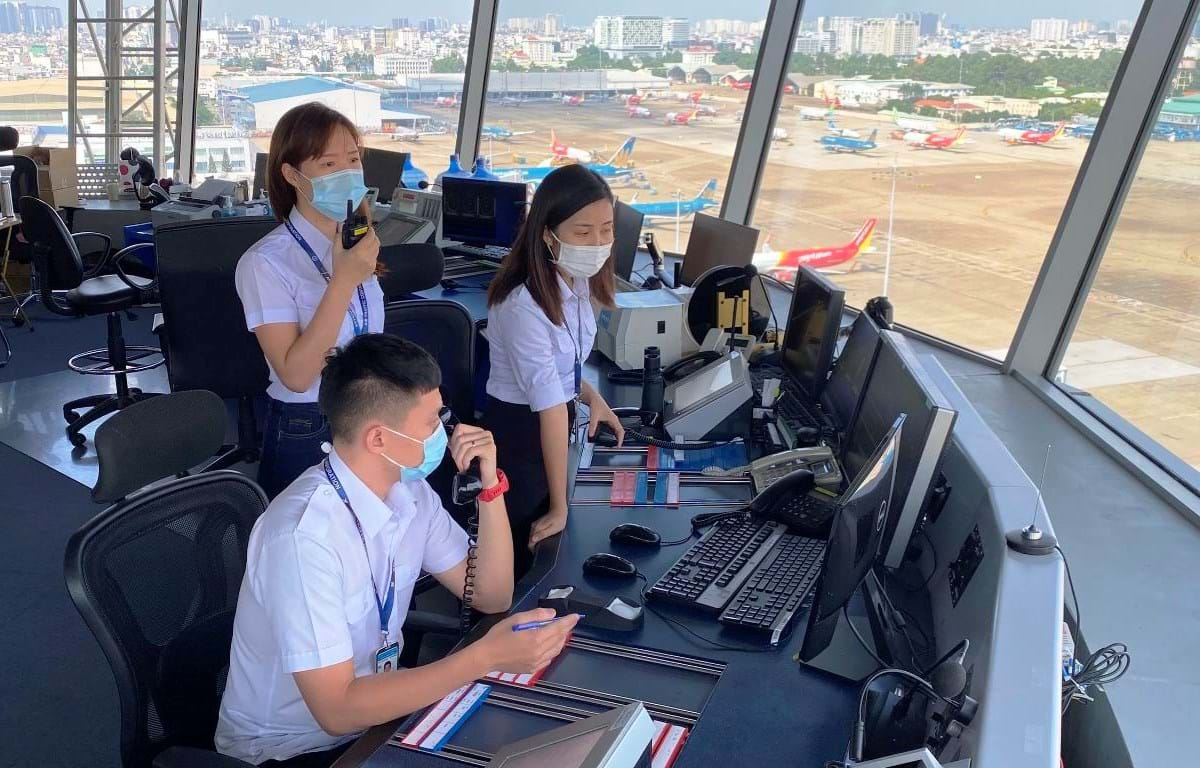
Summary of Safety Risk Control Objectives
More broadly, every occupation carries latent safety risk. In this article we take an example only from an aviation market that is developing strongly, with airlines operating at high intensity while airport infrastructure, equipment, and people… struggle to keep up with that demand.
In parallel with continuous upgrading, the more the market develops and the larger the scale, the higher the risk. It is like a street: the more vehicles there are, the more the risk of traffic accidents rises in proportion. Aviation safety in particular, and safety risk in business and production in general, must therefore always be kept at a high level of vigilance.
As analyzed above, the human factor is at once the most important link and the weakest connection. Take the near collision of 2 aircraft on the runway at Noi Bai: both were sound aircraft, the runway was sound, the weather was sound, and the error lay in the way the people involved carried out their work.
As science and engineering advance, more modern technology will partly reduce human error. Machines, however, cannot guarantee 100% freedom from failure.
Conversely, modern technology itself can unintentionally create complacency and over-reliance on machines, leading to safety risk. Training therefore needs to be improved continuously, with priority given to building a quality workforce that adapts to the environment and to technology. That, in turn, secures optimal effectiveness for the aviation safety system.
As we look toward the future, with increasing automation, demand for urban air mobility, and cybersecurity threats, the ability to quickly assess and prioritize investments in safety will become extremely important.
Applying a systematic approach to assess the feasibility of safety risk control measures will not only improve current safety management capability, but also protect the airline's operations against the challenges ahead.